

Takuma Yamazaki: The Makings of A World Champion
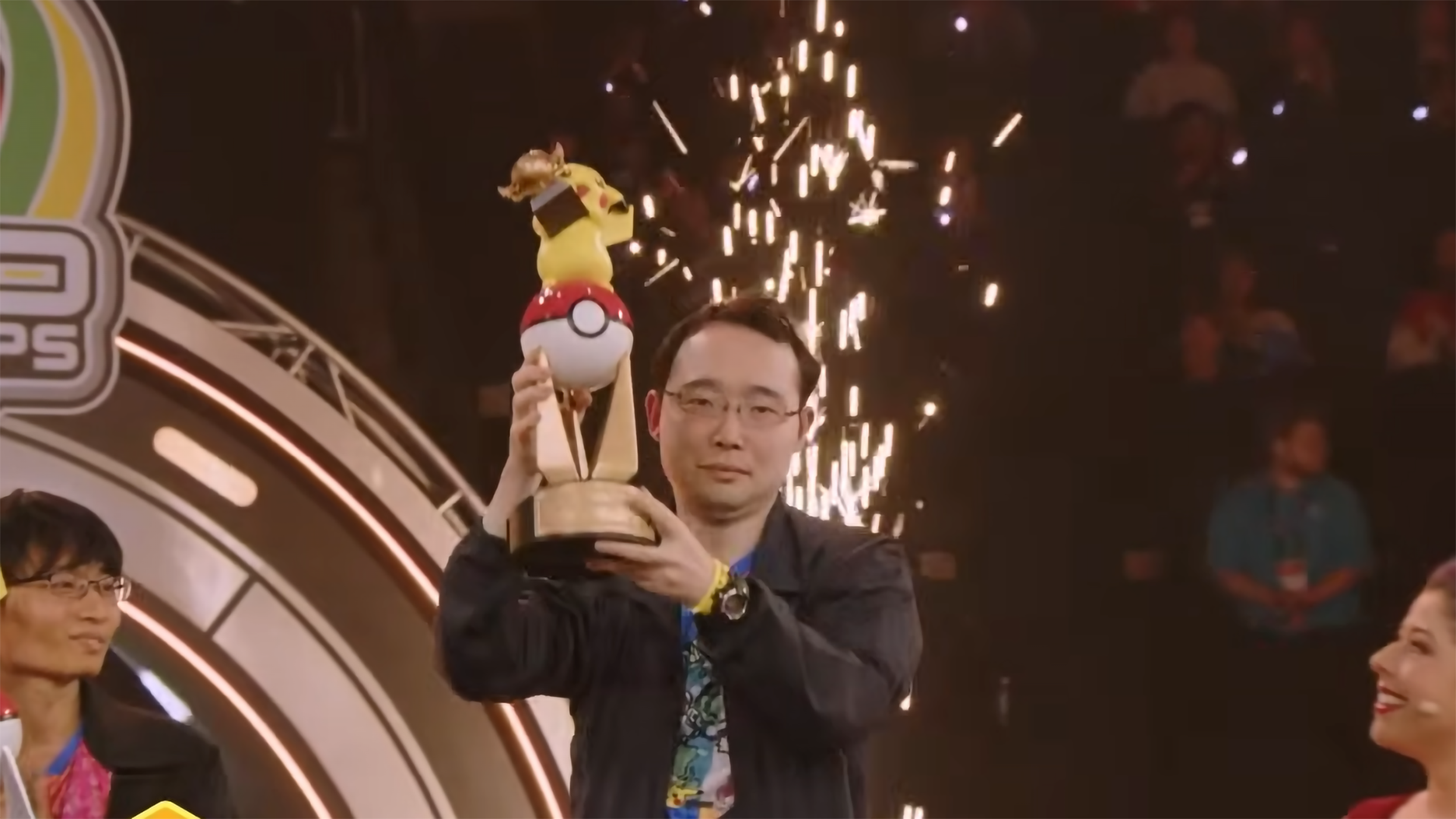
David versus Goliath. It is the biblical story of a young shepherd who faces a giant warrior in combat. Despite the massive disadvantage, David emerges from the hard-fought battle victorious, using only a sling and a stone to do so. If there was a metaphor that could be used to describe the 2026 Pokémon World Championships, this would definitely be it. On one side, we have Takuma Yamazaki. Taking an unlikely path to get here, “Watson” had never qualified for Worlds in their career up to this point, first attempting to do so all the way back in 2014. But after twelve years of trying, they finally broke through. By finishing Top 64 at the Pokémon Japanese Championships, they secured their first WCS invitation, doing so using Mega Slowbro and Audino no less! In San Francisco, Yamazaki was competing with a do-or-die attitude:
“At 33 years old, I wasn’t the youngest anymore. […] I wasn’t sure if I’d be able to ever qualify again in the future, treating this as my first and last chance at the WCS.”
This mindset worked flawlessly, as they only dropped one set in each Phase; earning the bye in Top Cut before progressing all the way to Finals. Despite this, there was no doubt that Yamazaki would be the underdog on Sunday. On the other side, we have Hiroshi Onishi. The defending PJCS Champion, “Cona” was one of the favorites to win it all coming into Worlds. After going 6-2 through Phase 1 on Friday, they swept the competition undefeated on Saturday to qualify for Finals. As if that was not threatening enough, they were also using a tweaked version of the ever-dominant “Big 6” archetype of Charizard, Floette, and friends, the same team they used to win PJCS back in Regulation M-A. It was as if Arceus themselves had chosen Onishi to be the Champion. One of the favorited trainers, using the unanimous strongest team, what could be more goliath than that? And if the all-Japan, mountain-vs-a-mole-hill Championship was not enough, there was a surprise additional layer to the competition taking place. Yamazaki is a graduate of Waseda University, while Onishi graduated from Keio University. Both of these two played a roll in their respective universities’ Pokémon clubs, with alumni from both in attendance. As is the case in high level college sports, the two universities have a generations-long rivalry that equals the likes of Alabama vs Auburn and Harvard vs Yale! With all these storylines taking place, the excitement and anxiety levels could not have possibly been higher as we approached Masters Finals on Sunday. And when that time finally arrived? Boy, did it deliver.
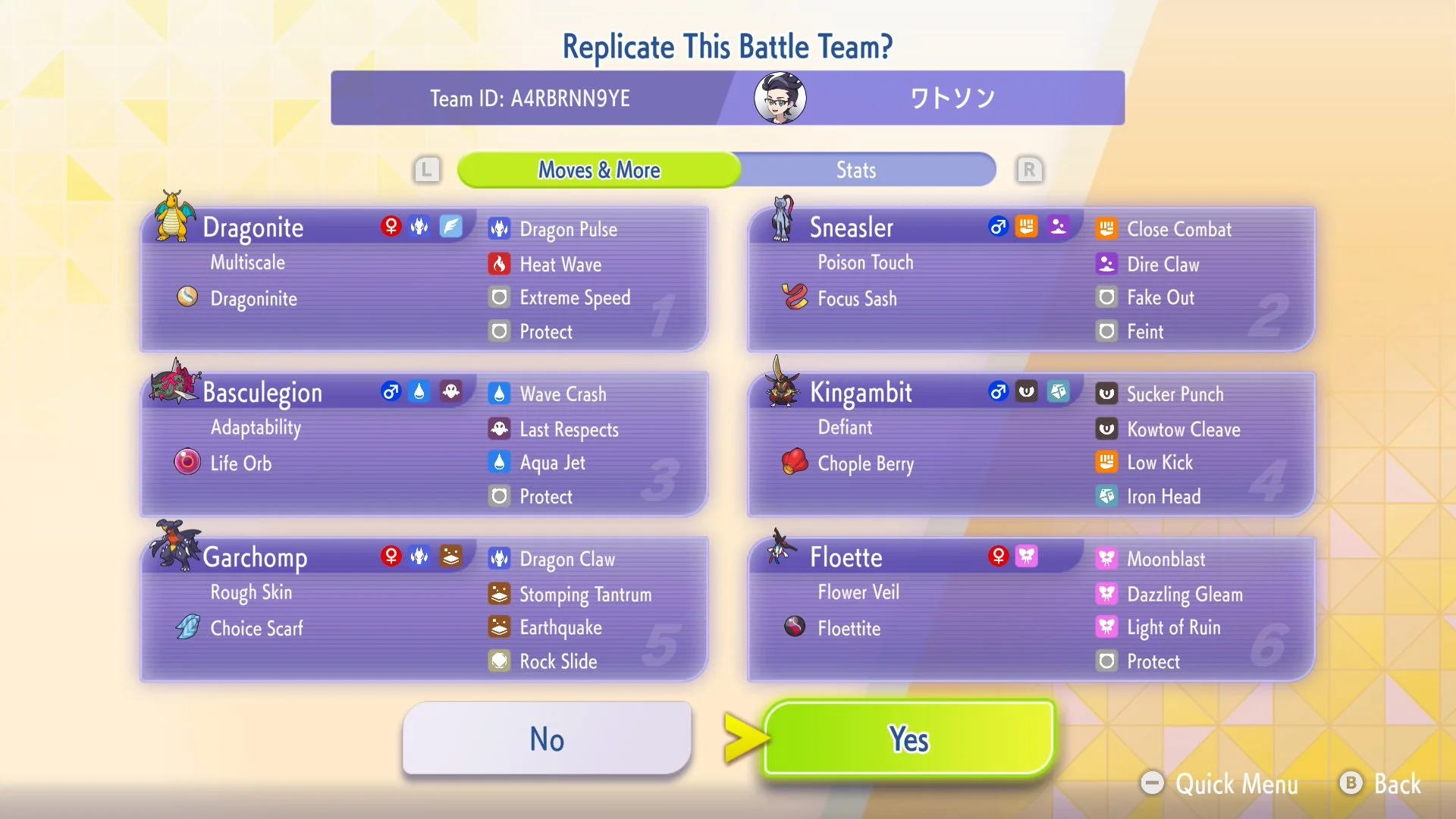
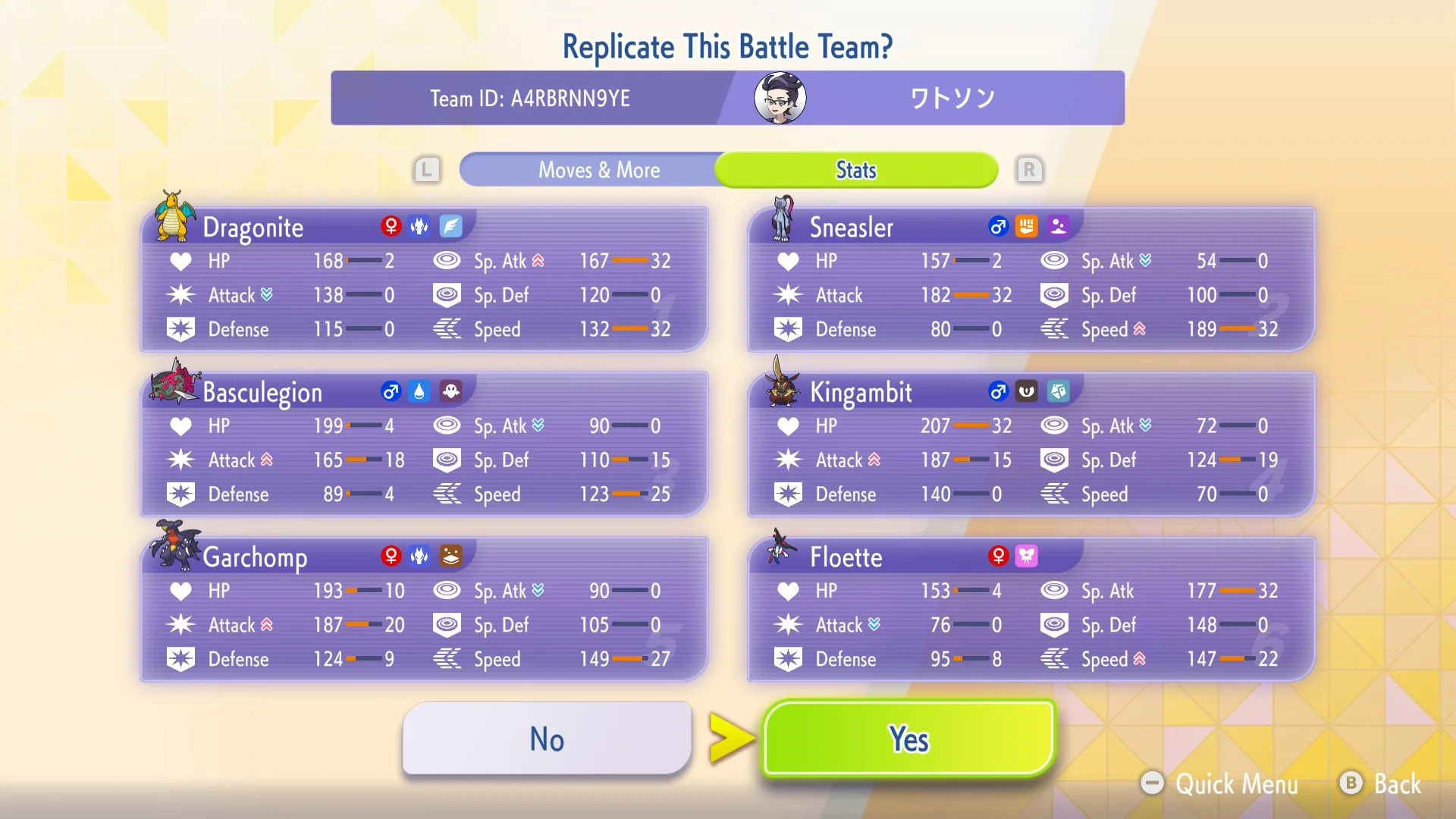
Takuma Yamazaki's World ChampionSHIP 2026 TeaMWe have already established that Hiroshi Onishi would be using Big 6 in the Finals. But what about Takuma Yamazaki? At a quick glance, you could be fooled into thinking Watson was too. The strongest Pokémon in the format built around an orange Generation 1 Flying-type Mega. Close enough, right? Wrong! It is true that Yamazaki’s team has multiple similarities to the archetype. A double Mega core using Mega Floette flanked by Life Orb Basculegion and Chople Berry four attacks Kingambit is about as Big 6 as Big 6 can get. But here is where the similarities end. Instead of Charizard as the other Mega Evolution of choice, Yamazaki decided on Dragonite, a Pokémon that was vastly overshadowed heading into the World Championships. In the pre-Worlds Pokémon tier lists, most creators had it in C tier at best. Unfortunately, the biggest knock against Mega D-nite has been that it is a… fair Pokémon? Yes, you read that right! In a meta-game filled with extremely broken options, especially in the top tier Mega Evolutions like Charizard, Floette, Raichu, and Staraptor, just being a ‘mon that consistently picks up Two-Hit-Knockouts into neutral targets was simply not good enough in the eyes of most people. It loses to Froslass and is borderline useless into Whimsicott and Floette, as was evident in Finals Game 2 (more on that later). Where Dragonite shines is its matchup into Charizard. By resisting the Fire and Grass-type moves of Heat Wave, Solar Beam, and Weather Ball, Dragonite would win the damage trade in the long run. It is true that most Charizard have dropped Solar Beam in favor of the Rock-type Ancient Power heading into Worlds for the edge mirror. However, thanks to its measly 60 Power, and the Multiscale Ability halving the damage taken from attacks when at full HP, the super effective move is at most a 98.44% chance to be a Three-Hit-KO. The move-set used here is a simple one. Dragon Pulse is the STAB of choice thanks to its consistency over Draco Meteor. Heat Wave is to take advantage of the Sun set by Charizard Y’s Drought to deal devastating damage into Kingambit and bypass Sinistcha’s Rage Powder redirection. Extreme Speed is the final attack of choice (besides Protect, that is). Although it is true that Dragonite’s Modest ability limits the Physical Attack’s damage, it still has some important usage cases. Mainly, the ability to pick off low Health Pokémon, as well as to break opposing Focus Sashes in an emergency.
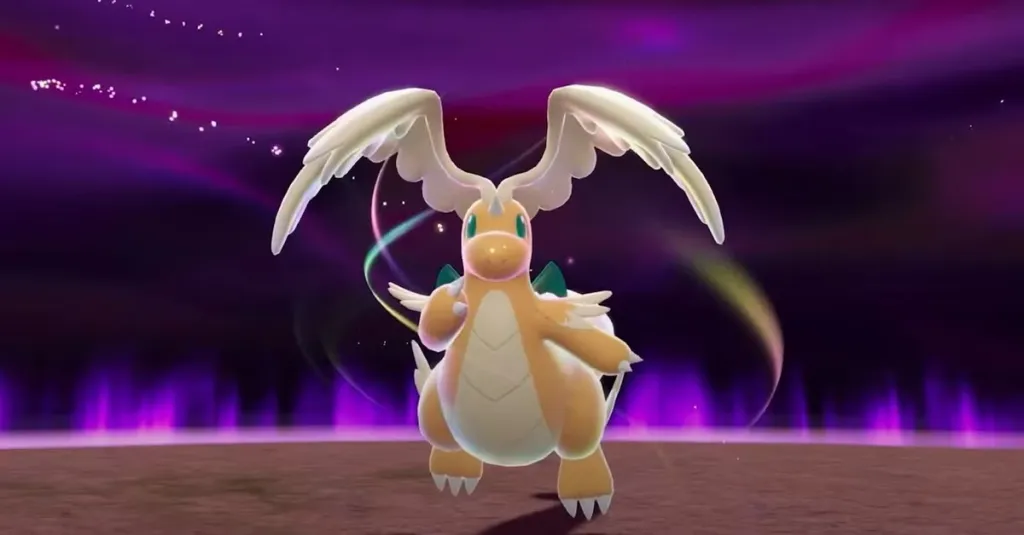
Mega Dragonite
The biggest difference between Yamazaki’s team and Big 6 is the removal of Whimsicott. The Prankster Tailwind setter is the glue for the most popular team in the meta, but here Watson opted in favor of Sneasler. This defensive decision is completely viable, as it flanks Dragonite and the next Pokémon from the Fairies of Floette, Whimsicott, and Sylveon thanks to its half Poison-typing. Most of the set is standard: Poison Touch with Fake Out, Dire Claw, and Close Combat. The final move however is where Sneasler becomes a tad frisky. In place of the normal Protect, we see the move Feint: a 30 Power Normal-type move that nullifies Protection moves. Thanks to Open Team Sheets, this is a move that will cause mind-games in every set, setting constant pressure even when it is not selected. Surely that will come into play at some point in the tournament, right? Rounding out Yamazaki’s squad is Choice Scarf Garchomp. Scarf is an item that has heavily fallen in usage throughout Regulations M-A and M-B, with most opting in favor of the Sitrus Berry or the Life Orb. However, without access to Whimsicott’s Tailwind, this actually makes sense here, as it is the only real form of “speed control” available. Using the common move-set of Earthquake, Dragon Claw, Stomping Tantrum, and Rock Slide, this Adamant Chomp was just below max Speed with 27 stat points invested. This allocated enough bulk to let it take the Dragon Claw hit from opposing Scarf Garchomps, KO-ing them in return after the Rough Skin chip. On the surface, this is a team that does not look anything crazy. However, the nuance and layers of the ever-so-slightly off-meta squad does just enough to work in Yamazaki’s favor, potentially confusing their opponents in the process.
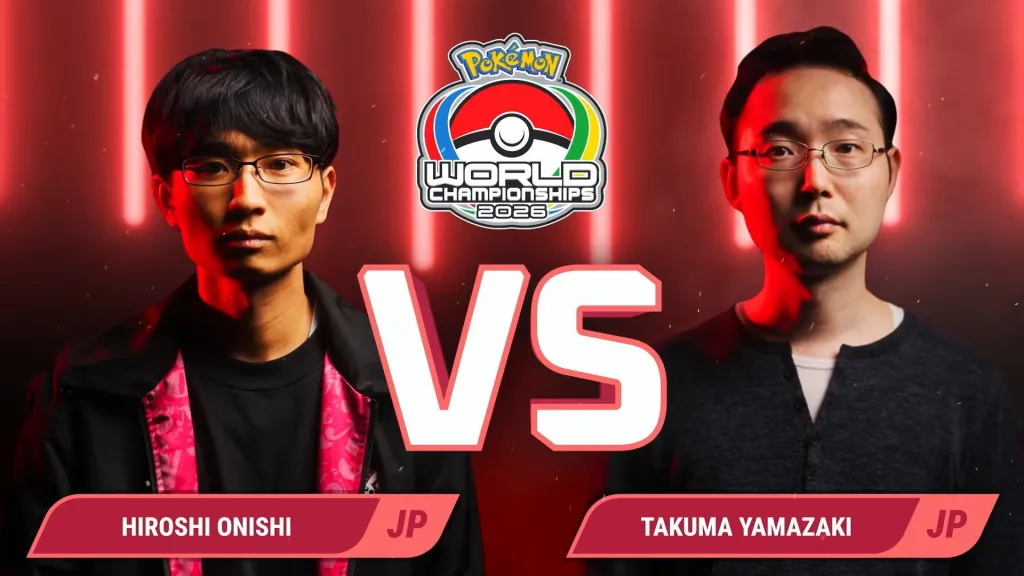
At first, the set itself seemed quite, well, mundane considering the circumstances. Yamazaki won Game 1 in an analytical performance, making the safe plays and switches to come out on top despite losing Kingambit for naught on the very first turn. Something that could unfortunately be lost to time is the manner in which Onishi prevailed in Game 2. With Watson on the back-foot on leads, Cona makes an aggressive read: locking Last Respects into Sneasler. This worked to perfection, as they caught Basculegion on the switch in with an OHKO, practically locking up the game on the spot. However, it was Game 3 where all the high stakes and nerve wracking action that we all know and love from the World Championship Finals exploded into the set. After being the equivalent of a traffic cone for the entirety of Game 2, everybody in the stadium predicted that Dragonite would stay behind in the winner-take-all. This included Onishi, who locked in Charizard over Floette for the first time in the set. Well, everyone save for one that is, as Yamazaki once again sent out the Generation 1 Pseudo-Legendary in the lead. The confidence required to lock in Dragonite with the nuclear bomb of a threat known as Mega Floette potentially on the opposing side is nothing short of astronomical. Yet somehow, this was not even the most mind-boggling scenario to start out the game. After chunking Charizard Y for 43% of its HP with Sucker Punch, Kingambit managed to survive the brute force of a Heat Wave in the Sun at 1%! In the moment, everyone assumed that this would have been a guaranteed KO, or at the very least the lowest possible damage roll. Although in hindsight, we can now figure out that this is not the case. Thanks to both players revealing their team’s spreads post-tournament, we know that Yamazaki’s Kingambit had a stat distribution of 32 HP and 19 Special Defense. With its Health previously being chipped down to 94% by Rock Slide, and with Onishi’s Timid Charizard having 8 points in Special Attack, it is a 62.5% chance to OHKO. While this is still very much in Cona’s favor, it is significantly more realistic of a survival than it originally seemed. Still, it completely flung the momentum in Yamazaki’s direction, not to mention the confidence boost brought on by the roar of the crowd in that moment. Somehow, this was only the start of just how mental Game 3 was playing out in front of our very eyes.
“8 SpA Mega Charizard Y Heat Wave vs. 32 HP / 19 SpD Kingambit (94%) in Sun: 186-218 (89.8 – 105.3%) — 62.5% chance to OHKO”
An overlooked play that was just as critical if not more-so occurred on the fourth turn of the game, in the Basculegion mirror. Up to this point, it had not yet been revealed what the speed interaction was between the two Hisuian Pokémon. Calling it a pivotal moment may just be the understatement of the year, as there was no chance either one would tank the hits they were about to receive. Yamazaki’s Basculegion ended up moving first, picking up the KO with the Last Respects plus Dragon Pulse double up. Onishi themselves confessed this was the turn that flipped the script, as they believed they were still in a winning position at that point with the faster Basculegion. Looking at the spreads, it was brutally only a 4 point difference between the two, with Watson’s having 25 points invested while Cona’s had 21. For Yamazaki, not only did this give them the two Pokémon advantage, but it meant that their best Charizard answer was still in the fight. Not only that, it allowed all the pieces to be in place for the defining moment of this battle: the iconic Feint that will go down in history. Correctly predicting the Charizard to Protect, Yamazaki’s Sneasler breaks through with the Feint, setting up Basculegion for the Aqua Jet KO. As Whimsicott also Protected, this read went completely unpunished. Now to be completely clear: this was not the safest play. The most optimal call would have been to Aqua Jet into Charizard and Dire Claw into Whimsicott, as it covered for every possible move that Onishi could have made. This decision has garnered a lot of flack online in the days following the WCS, with many considering it a “poor play.” Even Yamazaki acknowledged this, admitting on Twitter that it was a total mistake on their part. The reasoning behind this is that Basculegion’s Health was low enough that it would succumb to a Whimsicott Moonblast, thus setting up the 1v1. It would then be able to Encore lock Sneasler into Feint, eventually winning the war of attrition thanks to the tech move’s miniscule damage output. However, as 2025 Worlds Semi-Finalist Montana Mott pointed out, this actually was not the case. With Whimsicott being at 72%, Feint would have been a guaranteed 5HKO. In return, Moonblast has only a 17.19% chance to 2HKO. While this looks damning on paper, it is not nearly as detrimental as it seems. Bearing in mind that it is far more likely to be a 3HKO, Whimsicott would have to spend another turn re-Encoring Sneasler. At this point, its HP would be low enough that it would fall to the following Feint. Barring a critical hit, or at the very least two high rolls, Yamazaki would have still won the set, albeit doing so in a much tenser fashion. Sure, it could have been a punishable choice, but you could say that about anytime a player goes for a read instead of the obvious play. Hell, if Yamazaki had not switched Basculegion in during Game 2, people would be echoing the same sentiment about that decision. Besides, this “what-if?” is irrelevant, as it is not how the scenario unfolded. Onishi went too passive with the Double Protect, and the Feint worked to absolute perfection. Because of it, Takuma Yamazaki’s name will forever be etched in the history books as the 2026 Pokémon VGC Masters World Champion.
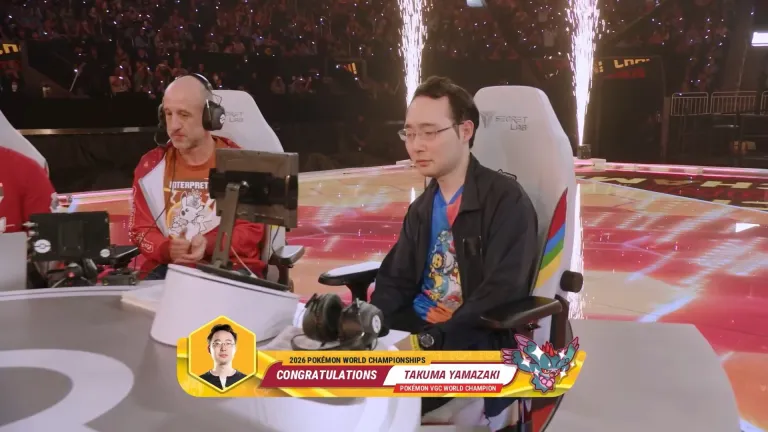
Takuma Yamazaki: World Champion
Twelve grueling years of trying and failing, but Takuma Yamazaki never gave up. Basking in the disbelief and shock of what had just transpired, they were asked in an interview about the journey it took to reach this very moment. Their response was something that will inspire countless trainers, whether they be young or old; veteran or rookie, for years to come:
“I’ve been doing this for longer than 15 years now [and] it’s not as if I was winning all the time right from the start. So, to other people who are playing out there, just keep playing! Don’t worry if you lose, that’s why I was able to make it this far. Just don’t give up, keep going.”
Takuma Yamazaki did not let their age define them at the 2026 Pokemon World Championships, and they walked away the Champion. Watson’s biggest mistake on the weekend? Thinking that this would be the one and only shot to compete on the global stage. When we arrive in Singapore at the end of the 2027 season, our defending World Champion will be front and center.
Editors Note: This article was originally published on Zachary’s blog, The Parting Shot. Devon Corp has obtained permission to edit and reupload his work here.
Zachary’s Twitter: https://x.com/Ryder_VGC